

Shopping for an upright piano? You've probably noticed prices ranging from $3,000 to $25,000—sometimes for pianos that look nearly identical. The differences come down to height, sound quality, and build, but the good news is that every tier has a sweet spot for different needs.
Upright pianos fall into three categories based on height and construction. Understanding the differences helps you find the right instrument for your space, your sound preferences, and your budget—without committing to the wrong piano.
This guide covers what each tier costs in 2026, what you get for your money, and when renting gives you more flexibility.
Upright Piano Tiers: Height Matters More Than Skill Level
Here's something important: every acoustic upright with 88 keys is a real piano capable of serious music-making. The tiers aren't about skill level. Beginners don't need "entry-level" pianos, and advanced players aren't required to buy professional models.
The real differences are physical. Taller pianos have longer strings and larger soundboards, producing richer sound. They also have taller actions, offering more responsive touch. You're paying for sound quality and precision, regardless of skill level.
Let’s look at what each tier actually means.
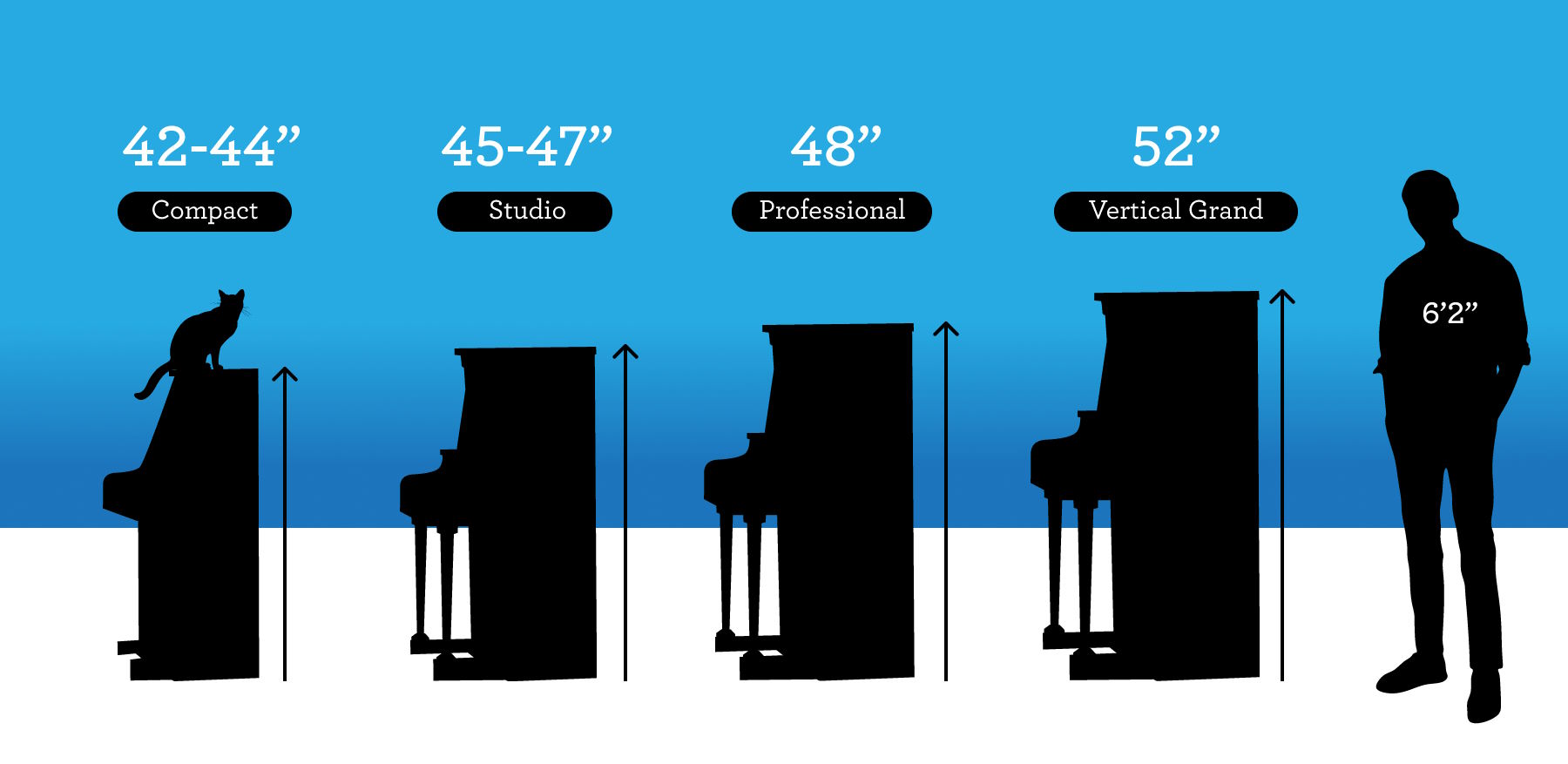
Console Pianos (42-44 inches): The Compact Option
Console pianos are the smallest acoustic uprights at 42 to 44 inches tall. They fit comfortably in apartments and smaller living rooms without dominating the space.
New console pianos in 2026 range from $4,400 to $7,500 from major manufacturers. The Yamaha b1, a popular starting point, lists at $4,400. The b1 and b2, a Studio Upright, are built in Yamaha's Chinese factory — solid instruments, but a different product from the Japanese-built U1 and U3 that established Yamaha's reputation. The price difference reflects origin and manufacturing standards, not just size.
Console pianos work well for casual players, kids starting lessons, and adults who want an acoustic instrument for recreational use. The sound quality is genuinely pleasant. You won't get the depth of a larger instrument, but modern consoles from reputable brands deliver surprisingly rich tones for their size.
One important note: if you're seeing console pianos priced well below $4,000, they're probably used or refurbished instruments. Brands like Young Chang and Weber offer refurbished consoles at attractive price points, typically in the $3,000 to $4,500 range depending on condition. These can be excellent values, but know what you're buying. If you are considering a used or refurbished model, make sure it comes with a warranty and that the seller has a complete history of maintenance since its manufacture or refurbishment. At PianoPiano we provide these, most sellers do not.
Studio Uprights (45-47 inches): The Sweet Spot
Studio uprights hit a sweet spot. At 45 to 47 inches, they offer noticeably richer sound over consoles without the imposing size of professional models. Many piano teachers recommend this tier for serious students planning to continue beyond the first few years.
New studio uprights typically range from ~$6000 to $11,500. The Yamaha b2 at 45 inches runs $5,900. The Yamaha P22, a favorite in teaching studios and schools, lists at $6,900. PianoPiano carries studio uprights in a similar range for rent, allowing students to access teaching-quality instruments without the $7,000+ commitment.
The extra height translates directly to longer bass strings and a larger soundboard. The difference is audible, especially in the lower register. If you play music with substantial left-hand parts or enjoy classical repertoire, you will appreciate the fuller sound.
Studio uprights also tend to have more responsive actions. The mechanisms have more room to operate, which makes subtle dynamic control easier to achieve. For intermediate and advancing students working on expressive playing, this matters.
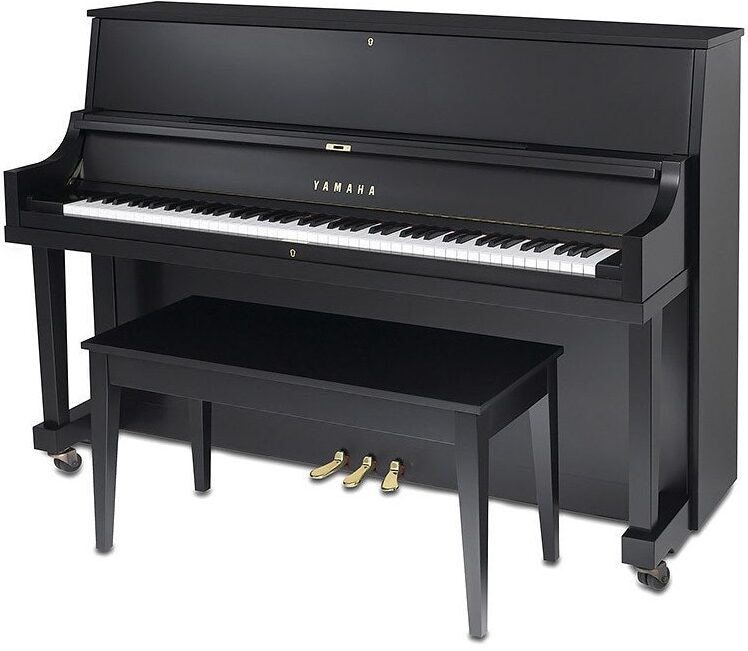
What's a school piano?
Some uprights — like the Yamaha P22 — are designed specifically for classroom use. They have reinforced cases built to be moved around without going out of tune, and wider music desks for spreading out sheet music. The action inside is the same size as a standard studio upright, but the case is larger and heavier. They work fine in homes, but they're not the typical choice for home use.
 Professional Uprights (48-52 inches)
The tallest of the upright category, professional models stand 48 to 52 inches tall. (52” are sometimes called "Vertical Grands.") These instruments approach the tonal depth of small grand pianos while requiring far less floor space.
New professional uprights range widely in price. The Yamaha U1, perhaps the most recommended upright piano in the world, starts at ~$12,000 new at varying retailers. The 52-inch U3 runs $15,700 new. Premium lines like the Yamaha YUS series range from $18,000 to $24,500, and European instruments can exceed $60,000.
But all acoustic pianos are built by hand, the same way, regardless of where they're made or what name is on the fallboard. The price differences between brands at this height reflect labor costs where it’s manufactured, materials choices, and brand recognition — not a fundamentally different instrument.
Brands like Young Chang and Weber offer professional uprights with the same 88-key handcrafted action at significantly lower new prices. We're the national distributor for both — no middle man. Young Chang delivers a bright, responsive action similar to Yamaha's. Weber runs heavier and warmer — beloved by conservatory students building finger strength. Both are built to the same standard as any professional upright on the market.
We also rent refurbished Yamaha U1s and U3s — Japanese-built instruments from the 1970s and 80s, when Yamaha used Alaskan Sitka Spruce for soundboards, widely regarded as some of their best production-period materials. Professionally restored, maintained to our standards, and available with a silent system for apartment living.
A new Yamaha U1 costs $12,000. PianoPiano rents professional uprights from $175.00/month and should you decide to buy, your purchase price is guaranteed at the time of rental to never go up.
Professional uprights are found in conservatories, university practice rooms, recording studios, and the homes of serious pianists. The taller action gives players a more demanding workout — a real advantage when practicing for concerts or recitals.
These instruments are meant to withstand decades of heavy use. A properly maintained professional upright can remain musically viable for generations. That longevity factors into the value calculation.
Quick Price Reference: 2026 Upright Piano Costs
The following table summarizes typical price ranges for new upright pianos from major manufacturers. Actual dealer prices may vary.
| Tier | Height | Benchmark MSRP (Yamaha) | PianoPiano Rental Cost |
| Console | 42-44" | (b1) ~$5,700 | From $48.00/month |
| Studio | 45-47" | (b2) ~$7,800 | From $89.00/month |
| Professional | 48-52" | (U1) ~$12,000
(U3) ~$15,700 |
From $135.00/month |
These new prices reflect major manufacturer MSRPs. PianoPiano rents console, studio, and professional uprights — including Young Chang, Weber, and refurbished Japanese-built Yamahas — starting from $48.00/month. Every piano in our fleet is a real 88-key acoustic instrument, maintained to professional standards. Browse our upright piano rental inventory to see what's available.
What Ownership Actually Costs
The sticker price tells only part of the story. Before buying, factor in these additional expenses that add up quickly.
Delivery and Setup
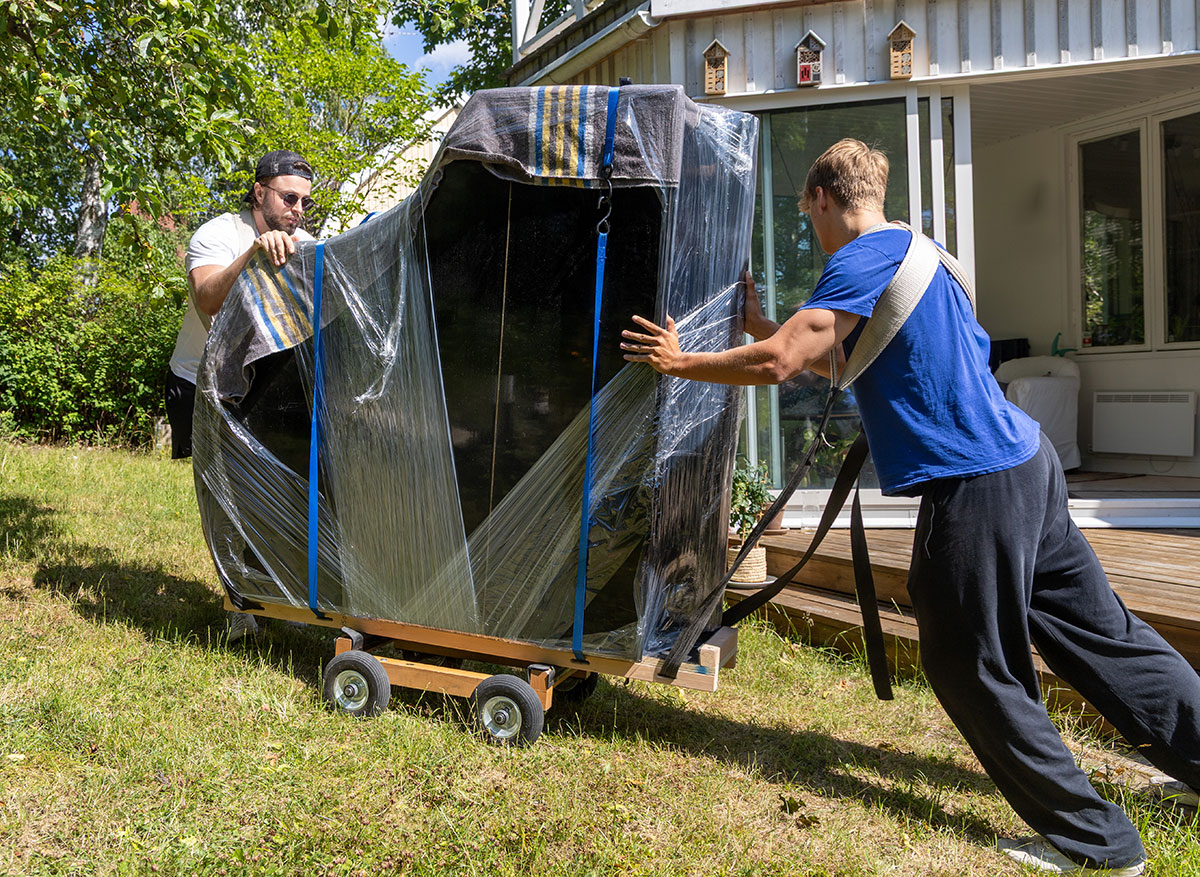
Pianos require specialized piano movers. You can't just rent a truck and handle this yourself. Expect to pay $300 to $800 for professional piano delivery, depending on distance and whether stairs are involved. Some dealers include delivery in the purchase price, others don't. Ask specifically.
 Tuning and Maintenance
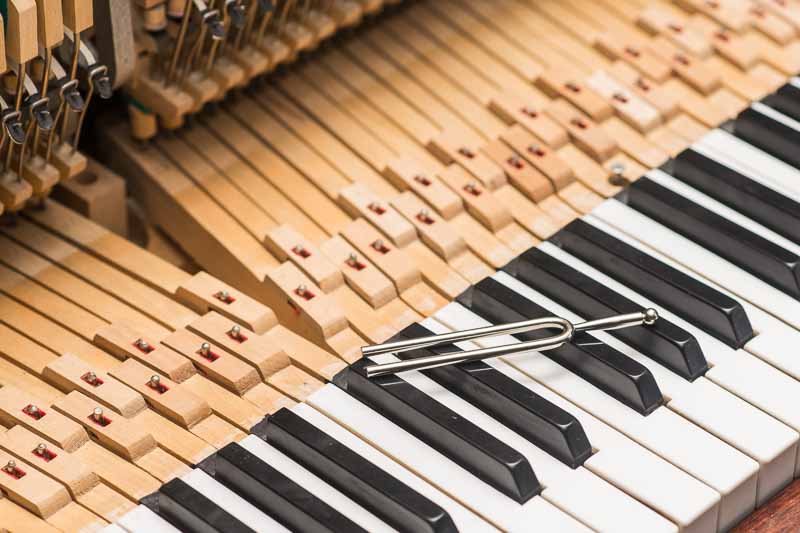
A new piano needs tuning shortly after delivery, as moving affects the instrument. In the first year alone, your piano could need to be tuned up to four times as the seasons change. After that initial settling period, most pianos need tuning twice per year. A standard tuning costs $200 to $300 in most markets. This isn't optional: skipping tuning can void your warranty and cause long-term damage to the instrument.
Beyond tuning, pianos occasionally need regulation (adjusting the action for optimal touch) and voicing (adjusting the hammers for optimal tone). A full regulation can cost $500 to $1,000 or more.
Choosing the Right Tier for Your Situation
With all this information, how do you actually decide? Here is a practical framework.
Consider a console (42-44 inches) if you have limited space, tight delivery conditions (narrow hallways, flights of stairs), or want to keep monthly costs low. The action inside a console is the same size as a studio upright — you're not giving up mechanical quality, just string length and soundboard area. Many professional musicians rent consoles because they fit their apartment and their budget.
Choose a studio upright (45-47 inches) if you have the room and want a bigger sound. The extra height means longer strings and a larger soundboard. If space and delivery aren't constraints, a studio upright gives you more instrument for a modest step up in price.
Invest in a professional upright (48-52 inches) if you want the richest sound an upright can deliver, or if you need the taller action for serious practice. These are the instruments found in conservatories and recording studios — but they're also the right choice for anyone who simply prefers the sound and feel of a larger piano.
A Note on Used and Refurbished Instruments
 Used pianos can offer excellent value, but they require careful evaluation. The key is having any used piano inspected by a qualified technician before purchase. Most technicians will provide this service for $200-$300.
Refurbished pianos from reputable dealers represent a middle ground. These instruments have been professionally restored and may come with a warranty (we recommend only purchasing from a provider offering a warranty). Brands like Yamaha appear frequently in the refurbished market, and a well-maintained Japanese-built U1 from the 1980s can outperform many new instruments costing twice as much. Young Chang and Weber are available, new, at price points well below comparable Yamaha models — and at PianoPiano, we're the national distributor for both.
With that said, avoid the temptation of "free" pianos or extremely cheap instruments from unknown sources. A piano that needs $2,000 in repairs isn't a bargain at any price. The internal condition matters far more than the external appearance.
The Real Question: Why Commit Today?
A new Yamaha U1 costs $10,100 before delivery, tuning, and climate control. That's a significant commitment for an instrument you haven't lived with yet.
At PianoPiano, the same caliber of professional upright rents from $145/month — delivered to your home, maintained to our standards. Consoles start at $48.00/month, studio uprights from $68/month. Your monthly rate locks in for as long as you rent — no price increases, ever. You don't have to decide today whether this is the piano you want forever. Rent it, play it for a few months, and find out. If it's the one, 100% of your first year's rental payments apply toward purchase. If it's not, switch to something else — no penalty, no $10,000 lesson learned.
Who Should Consider Renting - Everyone!
Renting isn't a fallback for people who can't afford to buy. It's the most flexible way to have a piano in your home — period.
- Low monthly cost, no big commitment. Consoles from $48.00/month, studios from $68/month, professional uprights from $145/month. That fits most budgets without a five-figure decision.
- Switch anytime. Want to try a different size, brand, or tonal character? Switch as many times as you want, no penalty.
- Your price never goes up. Your monthly rate locks in for as long as you rent. No increases, ever.
- No pressure to buy — but you can. You're never required to purchase. Rent for a year, rent for ten years — it's entirely up to you. And if you do decide to buy, 100% of your first year's rental payments apply toward purchase of that piano or any other in our inventory of equal or greater value.
- Not sure about commitment? That's exactly what renting is for. If lessons don't stick or life changes, we pick it up. No $10,000 lesson learned.
The Rent-Then-Own Path
Here's something many people don't realize: quality rental programs can convert to ownership. At PianoPiano, 100 percent of rental payments made during your first year can be applied toward purchasing that piano or another instrument of equal or greater value. This means you can test your commitment level, ensure the piano works for your space and playing style, and then decide whether to buy without losing the money you've already invested.
Compare that to buying outright. If you purchase a $10,000 piano and decide after 18 months that piano isn't for you (or your family), you'll likely sell it for $6,000 to $7,000, absorbing a significant loss plus all the tuning and maintenance costs you've already paid. Not to mention, spending time finding a buyer and letting strangers into your home to see the piano.
Final Thoughts
Upright piano prices reflect real differences in size, sound, and construction. A 43" console and a 52" professional upright are different instruments built for different needs — and priced accordingly.
But price alone shouldn't drive your decision. Consider your actual needs, your space constraints, and your level of certainty about the piano playing journey. Sometimes the smartest financial move is starting with a rental, building confidence in your commitment, and then investing in the right instrument when you know exactly what you need.
Whatever path you choose, remember that the goal is making music, not owning an impressive piece of furniture. A well-chosen console piano that gets played daily serves you better than a professional upright gathering dust.
Ready to Find Your Piano?
Whether you're leaning toward buying or renting, the next step is experiencing these instruments in person. PianoPiano's showrooms on Manhattan's Upper West Side and in Fullerton, California have console, studio, and professional uprights available to try—including Yamaha, Young Chang, and Weber models.
Exploring rental? Browse our upright piano rental inventory or call (212) 586-9057 (East Coast) or (714) 805-8645 (West Coast) to discuss which tier fits your needs and budget.
Considering purchase? Visit Young Chang & Weber to explore their full range of new and refurbished uprights, or stop by PianoPiano to see new and refurbished models in person.