
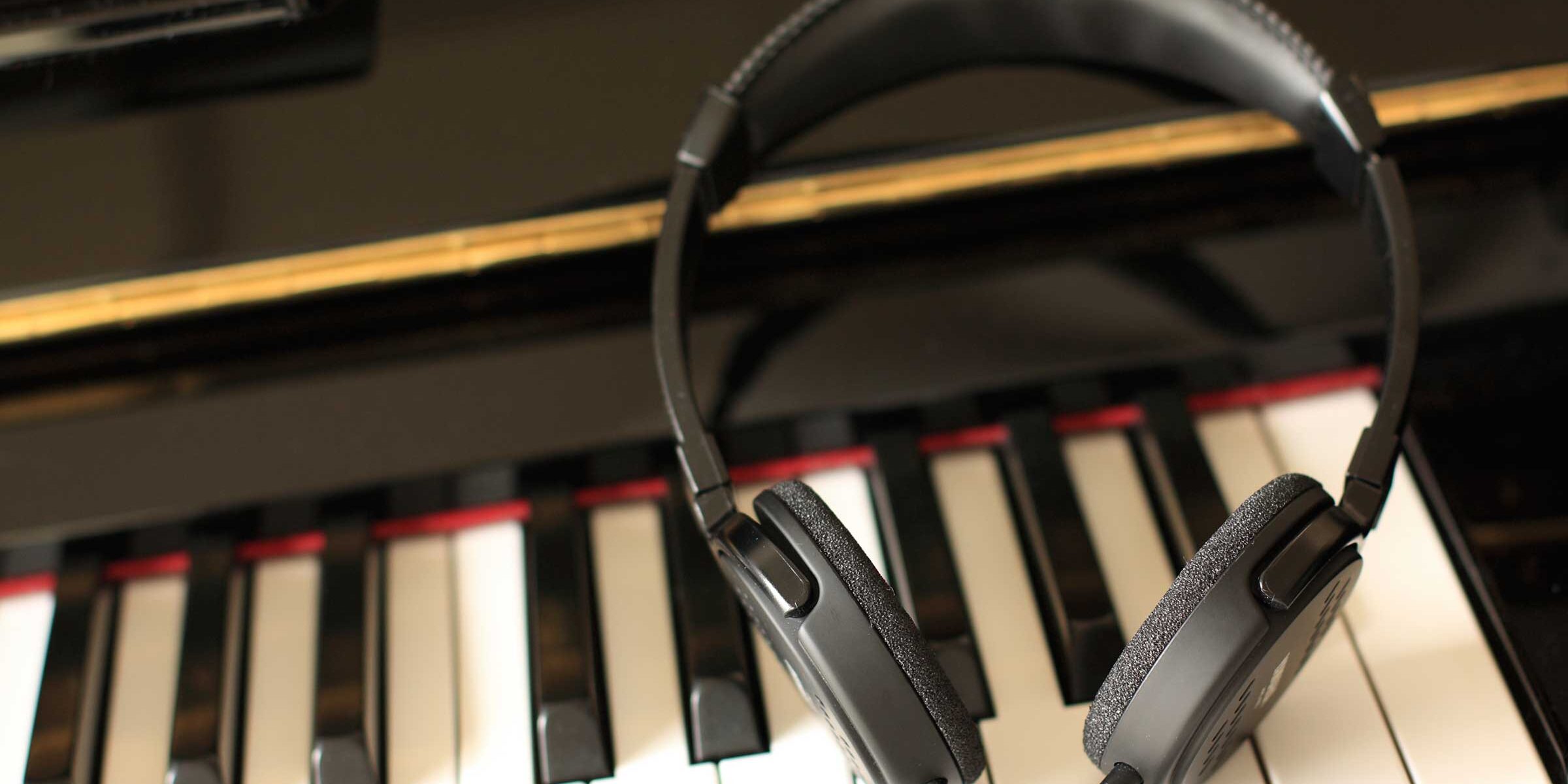
Live in an apartment and want to practice piano at midnight? A silent piano makes it possible. These acoustic instruments include a built-in system that lets you play through headphones while the hammers stop just short of the strings. You get the real touch of an acoustic piano without the sound disturbing others. A piano student can practice while someone's watching TV or doing homework, leaving roommates, neighbors and family undisturbed until you're ready to share your music.
Silent pianos also have a MIDI out function, letting you capture and compose your music. Connect it to software that translates your playing into sheet music, saving hours of time. You can also record yourself playing.
Silent pianos come with a price premium. Before you commit to buying one, here's what you need to know about how they work, what they actually cost, and why renting might be the smarter path in places like New York, Los Angeles, Boston, Philadelphia--and for families, roommates, and apartment dwellers everywhere.
How Silent Piano Systems Actually Work
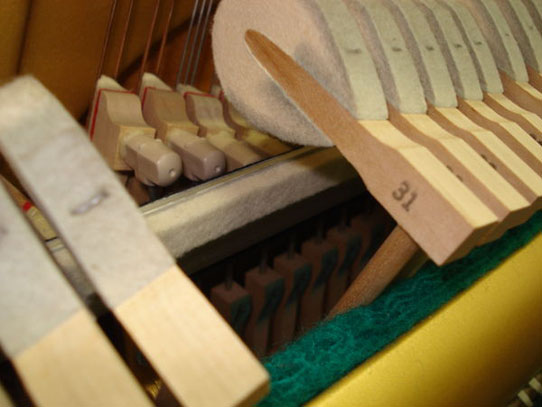 A silent piano is not a digital piano. It's a real acoustic piano with 88 keys, hammers, and strings, plus an additional system that gives you the option to play silently and hear the music through headphones. By default, you're playing normally, with sound and without headphones.
Here's what happens when you engage silent mode:
- The stop rail activates.
- A felt-covered bar moves into position between the hammers and strings.
- When you press a key, the hammer travels its normal path but stops just millimeters before striking the string.
- You feel the authentic weight and resistance of a real piano action.
- Optical sensors track your playing. Positioned beneath each key, these sensors detect exactly how fast and hard you're pressing.
- This data gets converted into digital sound in real-time.
You hear the sound through headphones. The digital signal routes to a high-quality sound module sampled from world-class concert grands. Many systems also include additional instrument voices, recording capabilities, and practice features.
You do not feel the silent system at all when you are playing. The piano feels exactly the same way as it would without the system. So you get the full practice experience.
The key difference from a digital piano is that when you disengage silent mode, you're playing a normal acoustic piano again.
The hammers strike real strings. The soundboard resonates. You get the tonal complexity and touch response that digital pianos still can’t fully replicate.
What Silent Pianos Actually Cost
Silent pianos carry a meaningful price premium over their non-silent counterparts. You're paying for the technology, sensors, sound module, and precision engineering required to make the stop rail work reliably for years.
Buying a Silent Piano
If you're purchasing new, expect to pay roughly $2,000 more for a factory-installed silent system compared to the same model without one. A standard Yamaha U1 might run $12,000-15,000 depending on colors and finishes, the U1 Silent version typically costs $17,000-19,000.
For used silent pianos, pricing varies widely based on condition, age, and, as a constantly improving technology, the generation of silent technology installed
Retrofitting an Existing Piano
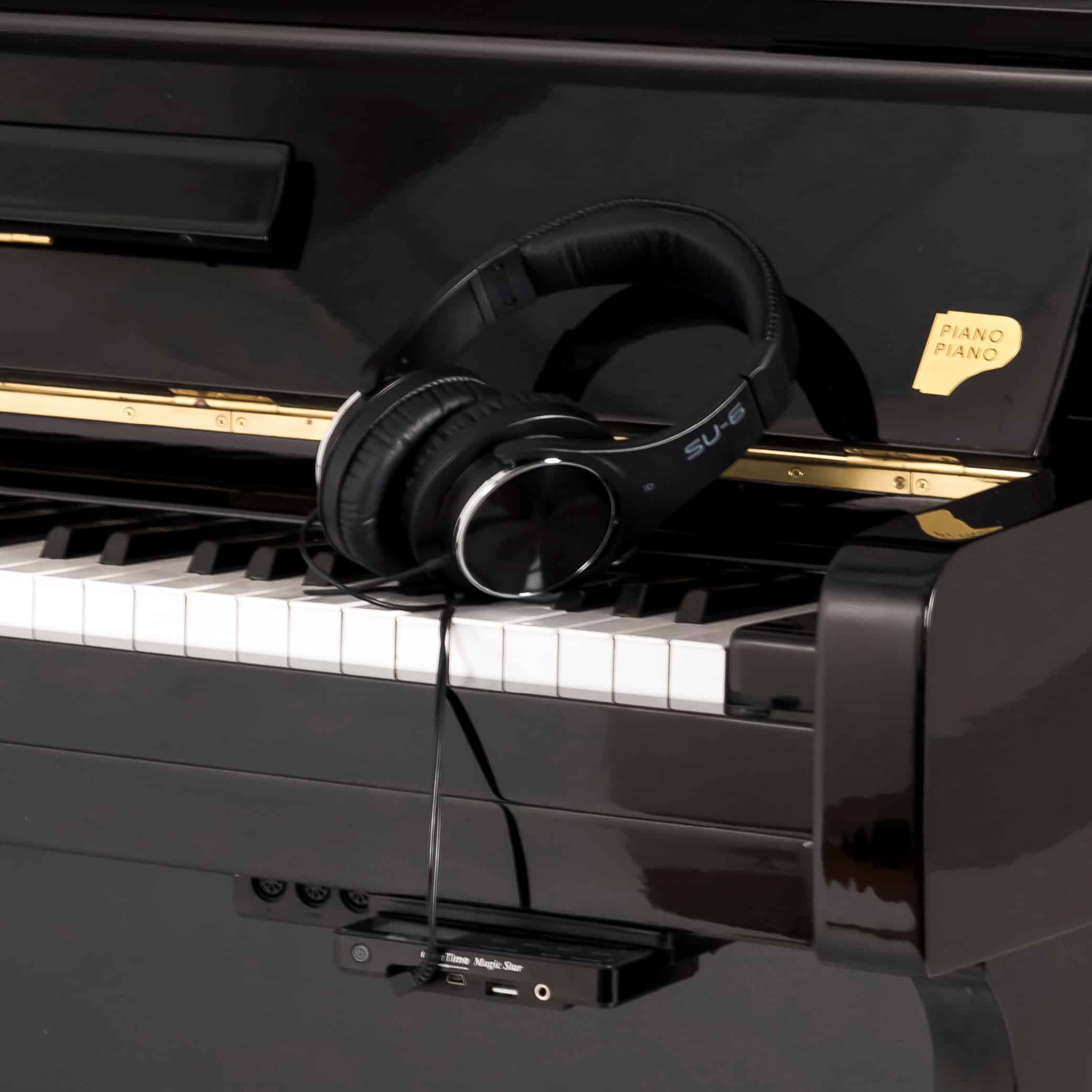 Already own an acoustic piano? You can add a silent system after the fact. PianoPiano installs silent systems:
- Upright piano retrofit: approximately $2,250 installed
- Grand piano retrofit: approximately $3,975 installed
Prices may vary by location (East Coast prices shown). But no matter where you live, we can help you find a technician who can install the system and provide live support for the installation.
The advantage: you keep your existing instrument and add silent capability. Most manufacturer systems (Yamaha, Kawai, Steinway) can only be factory-installed—if your piano didn't come with it, you can't add it later.
The Genio system we install is different. It retrofits to almost any piano, including consoles. Genio's stop rail is considered the best in the industry—we actually had it redesigned specifically to fit console pianos, something no other silent system manufacturer offers.
Renting a Silent Piano
Here's where the math gets interesting for apartment dwellers. Rather than paying $14,000+ upfront for a silent piano you might not keep forever, you can rent one month-to-month:
| Silent Piano Model | Height | Monthly Rental |
| Avery Bond Silent Continental Deluxe | 43" | from $129/mo |
| KPOP Silent Upright | 43" | from $145/mo |
| KPOP Silent Upright | 48" | from $195/mo |
| Young Chang Silent Professional Upright | 48" | from $200/mo |
| Weber Silent Professional Upright | 48" | from $210/mo |
| Yamaha U1 Silent Professional Upright | 48" | from $230/mo |
| Albert Weber Silent Professional Upright | 48" | from $235/mo |
| Yamaha U3 Silent Professional Upright | 52" | from $240/mo |
| Albert Weber Silent Vertical Grand | 52" | from $255/mo |
| Weber Silent Baby Grand | 5' | from $375/mo |
| Young Chang Silent Baby Grand | 5' | from $395/mo |
| Yamaha Classic Silent Grand | 5'3" | from $465/mo |
At $129-240/month for uprights, you could rent a silent piano for over five years before matching the purchase price of a new one. And if your situation changes (you move, your child loses interest, you decide you want a grand instead), you're not stuck with a $15,000 instrument you need to sell. You also get the flexibility to try the silent system and then if its more than you need, change the piano. Or vice versa - rent without the system and if you discover you need it, you can switch the piano. No need to make a pricey commitment from the outset.
The Most Common Misconception About Silent Pianos
 When people hear "silent piano," they often assume it's another name for a digital piano paired with headphones. It isn't.
A digital piano has no strings, no hammers, no soundboard. It's an electronic instrument that simulates the piano experience through weighted keys and sampled sounds.
A silent piano is a real acoustic piano that happens to have a mute function. Even with silent mode engaged, you get the full experience—the sensors detect exactly how hard and fast you're pressing each key, replicating the tonal richness, dynamic range, and touch sensitivity of acoustic playing through your headphones. Disengage silent mode and you're playing a traditional instrument with hammers striking strings inside a resonant wooden cabinet. (That is, a normal piano.)
This distinction matters for serious students and advancing pianists, and even for beginning students, who are training up their finger muscles. The tactile feedback from a real action, the subtle variations in resistance, the escapement mechanism, the way the keys respond to velocity--all help develop technique that transfers to concert instruments. Digital pianos have improved dramatically, but they still can’t fully replicate this experience.
Which Silent Piano Size Makes Sense?
Silent pianos come in the same sizes as regular acoustic pianos and look indistinguishable from normal pianos (except for the nearby headphones), since all the action is on the inside. The choice depends on your space, your budget, and how you'll use the instrument:
 43" Console Uprights ($129-145/month)
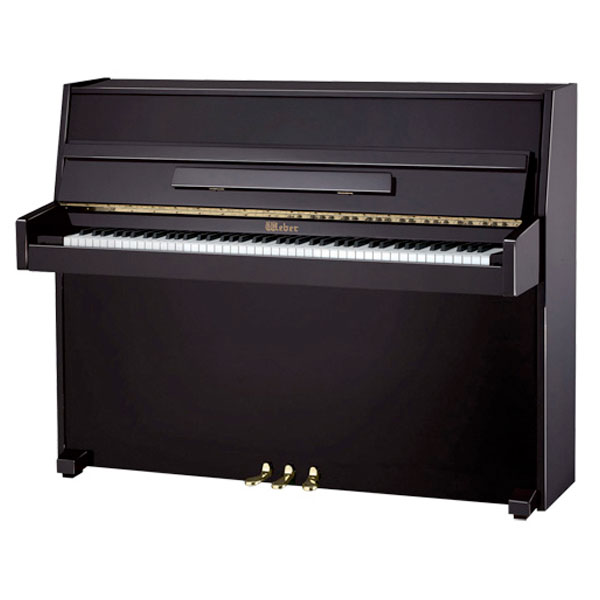
Sometimes called a Console or Continental Console, these uprights are best for small spaces, walk-up apartments, or rooms with hard floors where sound bounces. The lighter action and shorter strings are easier on developing hands. They’re also perfect for beginners and anyone prioritizing convenience over concert volume. These are ideal pianos for nontraditional spaces: kids' rooms, playrooms, under a loft bed, under the TV, or in dining rooms.
 48" Standard Uprights ($195-235/month)
The most popular size. A 48" piano like the Yamaha U1 offers professional-quality action and tone in a manageable footprint. Yamaha actions feel light and responsive; Weber actions run heavier—a favorite of conservatory students building finger strength. Works for any skill level.
 52" Performance Uprights ($240-255/month)
Significantly louder in acoustic mode. Excellent for advanced players preparing for professional performance and recitals who cannot accommodate a grand piano.
 Baby Grand (5'-5'3") ($375-465/month)
For those with space and budget, a silent grand offers the real thing with apartment-friendly practice capability.
Why Renting a Silent Piano Often Makes More Sense
 The typical path: research silent pianos, agonize over which model, spend $14,000+, get it delivered, then discover three years later that your situation’s changed.
Maybe your child moved on to other interests. Maybe you relocated to a house where noise isn't an issue. Maybe you realized you wanted a grand after all. Now you're stuck trying to sell a used silent piano, which, like all pianos, has depreciated significantly and is surprisingly difficult to move.
Renting sidesteps this entirely:
- No massive upfront investment. $129-465/month versus $14,000+ to purchase.
- Flexibility to change. Most rental programs let you exchange for a different model if your needs evolve. Outgrew the 43"? Swap for a 48". Decided you don't need a silent model anymore? Switch to a standard upright at a lower monthly rate.
- Discounted maintenance. Rental pianos require twice yearly tuning for $175 including tuning and service. Own a piano and you're paying $300-500 per year for tuning alone. And when we’re talking about silent systems, most piano technicians also don't know how to repair them or adjust them. All of our technicians are trained in this and have live support from us if something comes up. So the advantage is more than just the cost of the tuning, it's also being able to find someone that’s familiar with the technology. An acoustic piano hasn’t had any technological improvement since 1921, so most piano technicians aren’t exactly tech savvy.
- Path to purchase if you want it. PianoPiano applies 100% of your first year's rental payments toward purchase. Rent for 12 months, decide you love it, and the amount you've paid in rent reduces your purchase price accordingly. You can even apply it toward another model if you decide you’ve changed your mind.
The Bottom Line
Silent pianos solve a real problem for anyone who wants the authentic experience of an acoustic instrument but doesn’t want to disturb--or share the repetition of their practice with the people around them. They also offer a great option for players who just like to have the additional choice of when to share their music. The technology works, the touch is genuine, you can practice on your schedule at any hour and no one knows.
But they're expensive to own and maintain. Before committing $14,000+ to a purchase, consider whether renting makes more sense, especially if you're new to piano, uncertain about long-term commitment, or living in a city where your space and circumstances might change.
With silent piano rentals starting at $129/month in NY, Boston, Philly, DC and LA, you can experience the real thing. Play your way, when you want.