
There's nothing quite like having a real piano in your home. Real strings, real hammers, real resonance — sound that fills a room in a way no electronic speaker ever will. And the way it brings vibrancy to a space: the way someone drifting over to play a few notes before dinner can lead to conversation and song.
In 2026, a new acoustic piano typically costs between about $3,000 and $35,000, depending on the type and size. A 43 inch console upright for home use usually runs around $3,000 to $6,000. A 45–47 inch studio upright for schools and teaching studios typically falls between about $5,000 and $8,000. A 48–52 inch professional upright sits higher, from roughly $6,000 to $20,000 depending on brand and height, and baby grand pianos usually range from about $12,000 up to $35,000+
Used and refurbished instruments cost 40-50% less, though they require more careful evaluation. This guide covers current prices by piano type, plus the ongoing costs that most pricing guides leave out. We’re going to steer clear of boutique and luxury brands, which can skew the price range bands, and focus on the mainstream and value-oriented brands that most buyers and renters typically seek out and use, and can be found in homes and conservatories around the world.
For a deeper dive into total cost of ownership, depreciation, and the resale reality, see our complete guide: How Much Does a Piano Really Cost? The 2026 Pricing Guide Nobody Shows You.
So, the short answer is, “it depends.” On the type, the size, and whether you buy or rent. At PianoPiano, we think most people are better off renting first and deciding later. Why make a permanent decision before you’ve lived with the instrument? But either way, here’s what each option actually costs--and what it keeps costing after the sticker price.
Let’s take a look at the categories you’re likely to consider for home ownership or rental.
Quick Reference: 2026 Piano Prices
Console upright (43 inches): $3,000 to $6,000.
Studio upright (45-47 inches): $5,000 to $8,000.
Professional upright (48-52 inches): $6000 to $20,000.
Baby grand: $12,000 to $35,000.
Grand: $40,000-$80,000.
Silent system: Add $2,000 for factory-installed, or $2,250 to $3,975 for retrofit.
Used pianos: 40-50% off new prices, with condition risks.
Annual maintenance: $300 to $500 for tuning alone, plus repairs.
For complete cost analysis including three-year ownership scenarios, see our full guide: How Much Does a Piano Really Cost? The 2026 Pricing Guide Nobody Shows You.
Upright Piano Prices
Upright pianos vary by height, which affects string length, soundboard size, and tonal depth. All acoustic uprights with 88 keys use the same fundamental mechanism. The differences come down to size, touch, and sound projection.
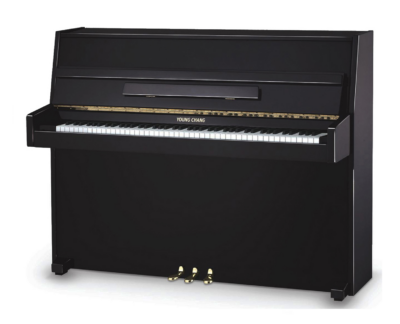 Console Uprights (43 inches): $3,000 to $6,000
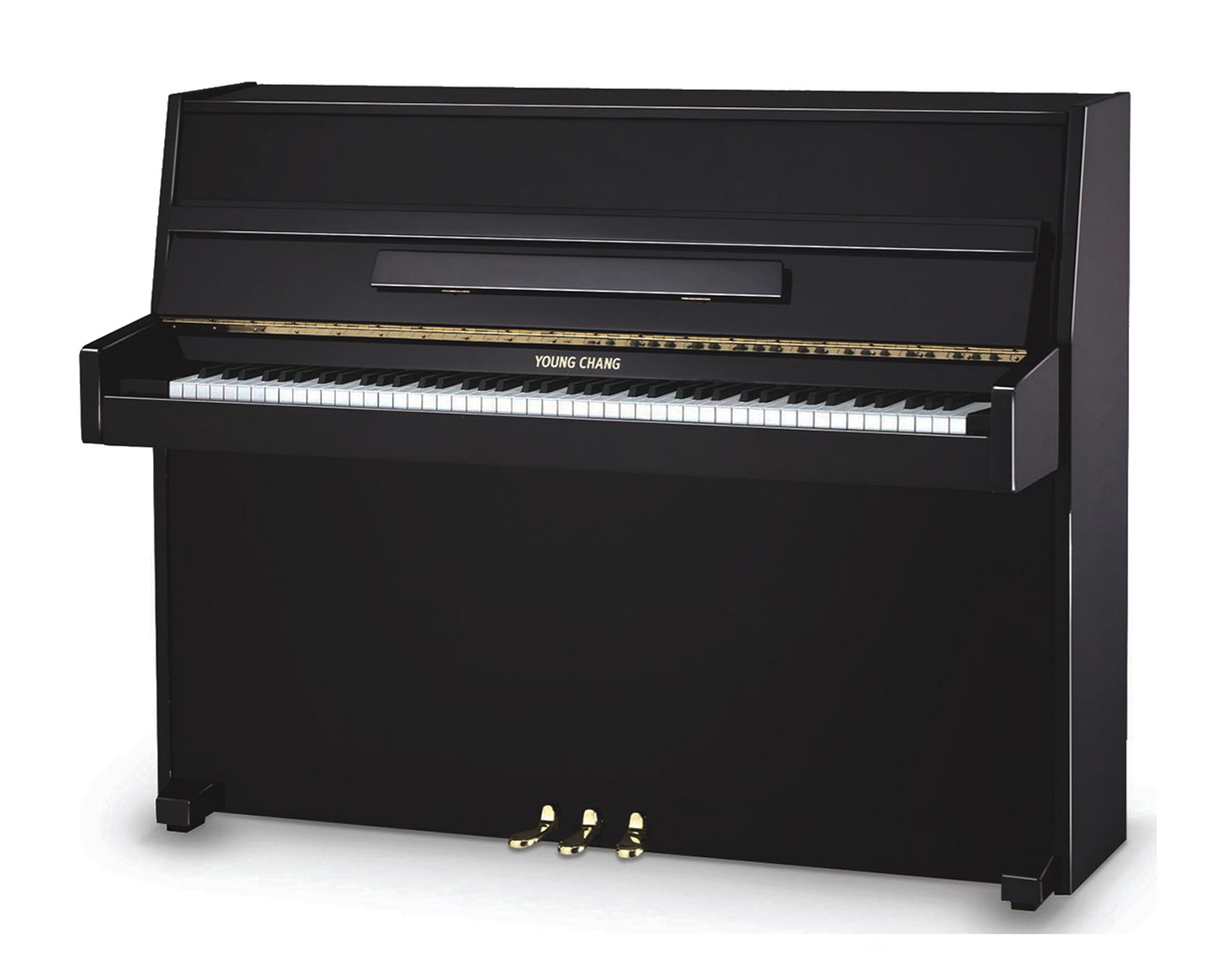
A newly refurbished Young Chang or Weber console typically runs about $3,500, while a new Yamaha b1 lists in the mid‑$5,000s.
Their relative compactness makes console uprights great pianos for apartments and smaller rooms. The shorter cabinet means shorter strings and a lighter sound than taller uprights, but these are still fully professional instruments suitable for any player.
Not ready to spend that much on something you haven’t lived with yet? A console upright rental starts at $48-$95 a month, plus delivery and tuning. We deliver it, tune it, and take it back if the “piano corner” quietly turns into a coat rack.
Studio Uprights (45-47 inches): $5,000 to $8,000
These are mid-size uprights with fuller sound than consoles. A 46” Young Chang runs around $5,500, a typical choice for schools and studios. A 47” Weber falls in the same range. By about $6,500 to $7,000, you start to find models with premium finishes or enhanced soundboards.
The additional height allows for longer strings and improved bass response compared to console models.
At PianoPiano, studio upright rentals start at around $99 a month. Or, about the same as those streaming services that you forget to cancel.
 Professional Uprights (48-52 inches): $6,000 to $20,000
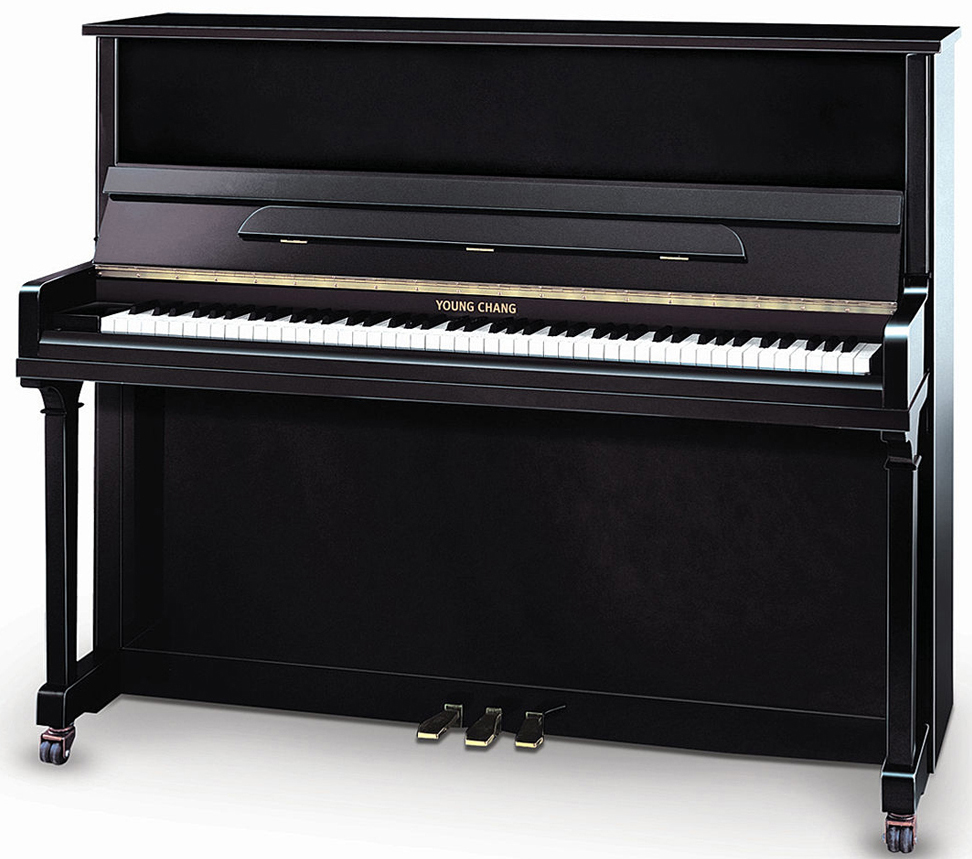
Full‑size uprights with the longest strings and largest soundboards in the upright category. These are the instruments serious students, teachers, and performers gravitate toward.
48 inch professional uprights from Young Chang and Weber typically land in the mid‑ to high‑single‑digit thousands when new, offering professional build quality and musical performance at a more approachable price than many Japanese and European brands.
Japanese professional uprights (U1/U3‑class) from Yamaha and Kawai usually list higher.
Around ~$7000-$12,000:
- The Yamaha U1 (48 inches) sets the industry standard at this price. You’ll find these in music schools and teaching studios around the world.
- The Young Chang Y121 (48 inches) delivers professional quality at a lower price point than Yamaha, at around $7000.
Around $15,000 to $17,000:
- The Yamaha U3 (52 inches) offers more tonal depth with its taller cabinet.
Some less well-known brands can be found for as little as $9000+ MSRP.
Above $20,000: Premium models from Steinway, high-end Yamaha, and Albert Weber. At $25,000 to $30,000, you are getting concert-quality tone in an upright format.
A Yamaha U1 rents for $155/month at PianoPiano, and a U3 for $165. For context, that’s the range of average cost of a dinner for two in NYC, but drinks are included and no one looks at you if you break into song. We kind of encourage it, actually.
Baby Grand Piano Prices: $12,000 to $35,000
Baby grands typically measure 4 feet 11 inches to 5 feet 3 inches in length. The horizontal string layout and larger soundboard produce tonal depth that uprights cannot match.
Around $10,000 to $12,000: This is the entry point for new baby grands from value‑oriented brands. Some makers offer lower‑priced instruments in this size (for example, Pearl River or Hallet & Davis), but they are generally built to hit a price point rather than to maximize long‑term musical performance.
Around $12,000 and up: A Young Chang baby grand such as the Y‑150/Y‑152E sits at the serious entry point for players who care about construction quality, tone, and long‑term reliability.
$18,000 to $25,000: Mid-range baby grands with improved soundboards, better action response, and premium finishes.
Above $30,000: Premium baby grands from established manufacturers. A large part of the cost reflects the cost of labor in more expensive locations such as Japan, Europe and the US, as well as building and finishing, along with the brand’s reputation. For many buyers, this tier is more about craft and image than about a step‑change in what most homes actually need.
Baby grands require significant floor space: plan for a 5 by 5 foot footprint at minimum, plus about two feet for the bench. (PianoPiano also carries a Hardman petite grand piano at 4 feet 8 inches, for tighter spaces. You have to see it. It’s adorable.)
A Young Chang baby grand rents for about $265/month. You get the grand piano in your living room without the grand commitment — and if you decide to buy, 100% of your first year's rental payments apply toward purchase.
Full‑Size Grand Piano Prices: $40,000 to $80,000+
 Full‑size grands usually start around 5'8" to 6' and run up to 9' concert grands. They offer greater power, dynamic range, and tonal complexity than baby grands, and are what serious classical pianists, institutions, and performance spaces typically choose.
In the $25,000 to $40,000 range, you’ll find 5'9" to 6'1" professional grands from makers like Young Chang, Weber, and Kawai. These are common choices for advanced players and smaller performance venues. Above that, larger 7–9 foot grands from storied brands can reach $80,000+, reflecting intensive hand‑building and brand reputation.
For most players, though, a full‑size grand is more piano—and more money—than they actually need at home, which is why many people choose to rent or start with a baby grand instead.
Our 5’ and up grand piano rentals start at $225 a month, including some with silent options.
Silent Piano Prices
Silent pianos are acoustic instruments with a system that lets you practice using headphones. A rail stops the hammers just before they strike the strings, while optical sensors capture your playing and send it to a digital sound module. You still get the real touch of an acoustic piano, but with the option to play silently.
This is not a digital piano. The instrument works exactly like any other acoustic piano when the silent system is off.
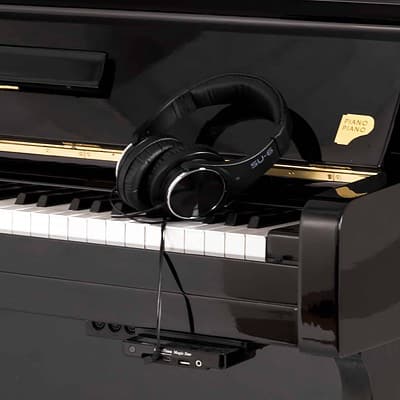 Factory-Installed Silent Systems: Add about $2,000 (uprights) to $4,000–$5,000 (grands)
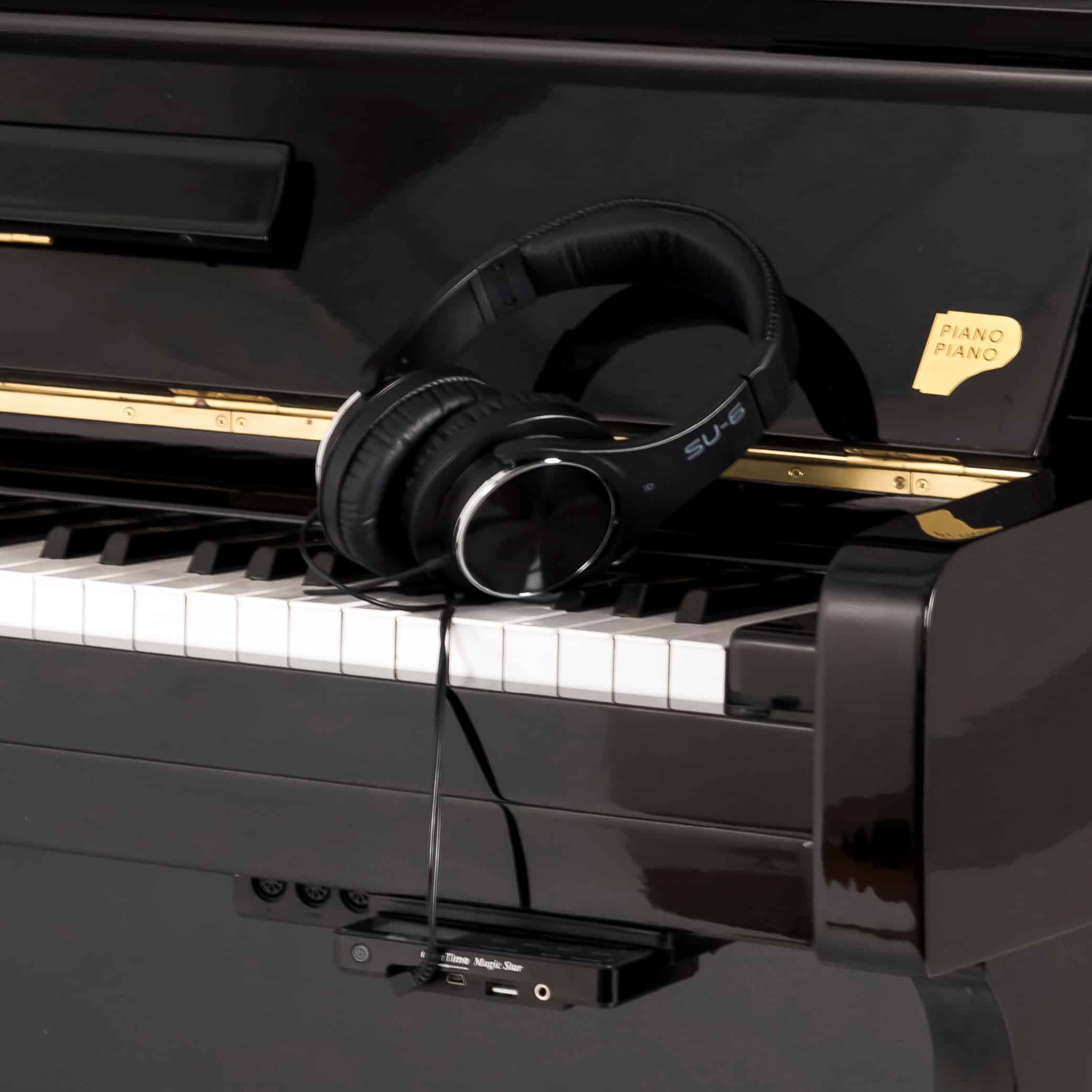
A standard U1‑class upright often lists in the low‑$12,000s, and the factory Silent version typically costs about $2,000 more than the same model without it, with many U1 Silent–class instruments advertised in the high teens.
That roughly $2,000 premium is typical for upright pianos across most manufacturers, while factory silent systems on grands commonly add about $4,000–$5,000.
Retrofit Silent Systems: $2,250 to $3,975 Installed
We can add a silent system to an already existing acoustic piano. Current installed prices in the NYC metro area: approximately $2,250 for an upright with varying pricing for grand pianos. PianoPiano's system works on almost any piano, which is not true of most retrofit options. Keep in mind that systems from manufacturers like Yamaha and Kawai can’t be retrofitted so unless you purchase your piano with the system installed, you’ll need to find a system from another source.
Used Piano Prices: 40-50% Off New
A $13,000 Yamaha U1 might be available, used/refurbished for $6,500 to $7,500. A $12,000 baby grand could sell for $6,000 to $7,000 on the private market.
The risk is that you never know where that piano has been. The previous owner might have lived in a humid climate that caused soundboard damage. They might have skipped tunings for years, and now the pinblock doesn’t hold tension. These problems are not always visible during a viewing or could only become evident once you get the piano into its new environment.
If you buy used from a private seller, budget $150 to $200 for an inspection by a qualified piano technician before you commit then another $200+ for a tuning after you move the piano to your home.
Costs Beyond the Purchase Price
The sticker price is only part of what you will spend. Here are the ongoing costs that add up:
Delivery: $400 for Uprights, $700 for Grands
When you buy from a retailer, delivery is often included in the price. If you buy from a private seller, expect to pay around $400 for an upright or $700 for a grand. Add $50 to $150 per flight of stairs. Difficult building access can add another $100 to $300. Always use specialized piano movers, not general furniture movers.

Tuning: $400 to $600 Per Year
Pianos need tuning twice a year at minimum. Market rate runs $200-$300 per tuning, so budget $400 to $600 annually. Skip tunings and the piano will not just sound bad; eventually it will not hold tune at all, leading to expensive repairs.
With a PianoPiano rental, tuning is available at a discounted rate, and you're never stuck with deferred maintenance problems from a previous owner.
Maintenance and Repairs: $150 to $5,000+
Budget $150 to $300 per year for routine maintenance like regulation and voicing. If major problems develop from deferred maintenance, repairs can run $1,000 to $5,000 or more. A failed pinblock alone costs $5,000 or more to replace.
Renters avoid these risks entirely. If something goes seriously wrong, it's our problem, not yours.
Depreciation: Expect to Lose 66%
Pianos lose roughly two-thirds of their value over the first three years. That $15,000 piano might fetch $5,000 on the resale market, if you can find a buyer at all. Check Facebook Marketplace or Craigslist: you will find dozens of free piano listings in any major metro area. Even free pianos sit unclaimed because of moving costs and unknown condition.
When you rent, there's no asset to depreciate and no resale headache. If your circumstances change, you return the piano with 30 days notice.
The Rental Alternative
You’ve seen the numbers. Between purchase price, tuning, and depreciation, owning a piano costs more than most people expect. That’s why many families and musicians rent instead.
At PianoPiano, monthly rentals start at $48 for a Samick console and run to $465 for a Yamaha grand with silent system installed. A Yamaha U1 rents for around $155 per month. A Young Chang baby grand runs about $265 per month.
You can exchange pianos if your needs change. And if circumstances shift, you return the piano with 30 days notice instead of trying to sell an illiquid asset.
If you decide to buy after renting, 100% of your rental payments during the first 12 months apply toward the purchase price. This is not rent-to-own; there is no obligation to buy. It is rent, then buy if you want.
We deliver throughout the Northeast all the way from Boston to Washington DC, and across all of Southern California. Pick a piano and we’ll bring it to you!
Ready to skip the risks and start playing? Browse our rental inventory or call us at (212) 586-9057. We'll help you find the right piano without the long-term commitment!
Still Want to Buy?
We get it. Some people know from day one that they want to own their piano outright. If that's you, check out our sister company Young Chang and Weber. As the national distributor, we offer new and refurbished pianos at wholesale pricing - no middleman markup. You'll find the same expertise and family-business approach, just focused on purchase instead of rental.